On this page
- Types of Pipes Used in Fire Protection Systems
- Benefits of HDPE Pipes in Fire Protection Systems
- Fire Protection Pipe Specifications
- How to Choose Fire Protection Pipes
- How to Determine Fire Protection Pipe Diameters
- Fire Protection Pipe Connections
- Supply of Seamless Pipes and Fittings for Fire Protection Systems from GTS
- Conclusion
- Frequently Asked Questions
Preparing a fire protection system requires selecting pipes and fittings that comply with the approved drawings and specifications. Each part of the network has requirements related to its installation location, operating pressure, and connection method. Engineers, contractors, and procurement teams must review these details before approving a purchase order.
The types of pipes used in fire protection systems vary by material, manufacturing method, and installation location. Required documentation also differs from one project to another. This article explains the main types, their characteristics, and how to review their specifications, dimensions, and connection methods.
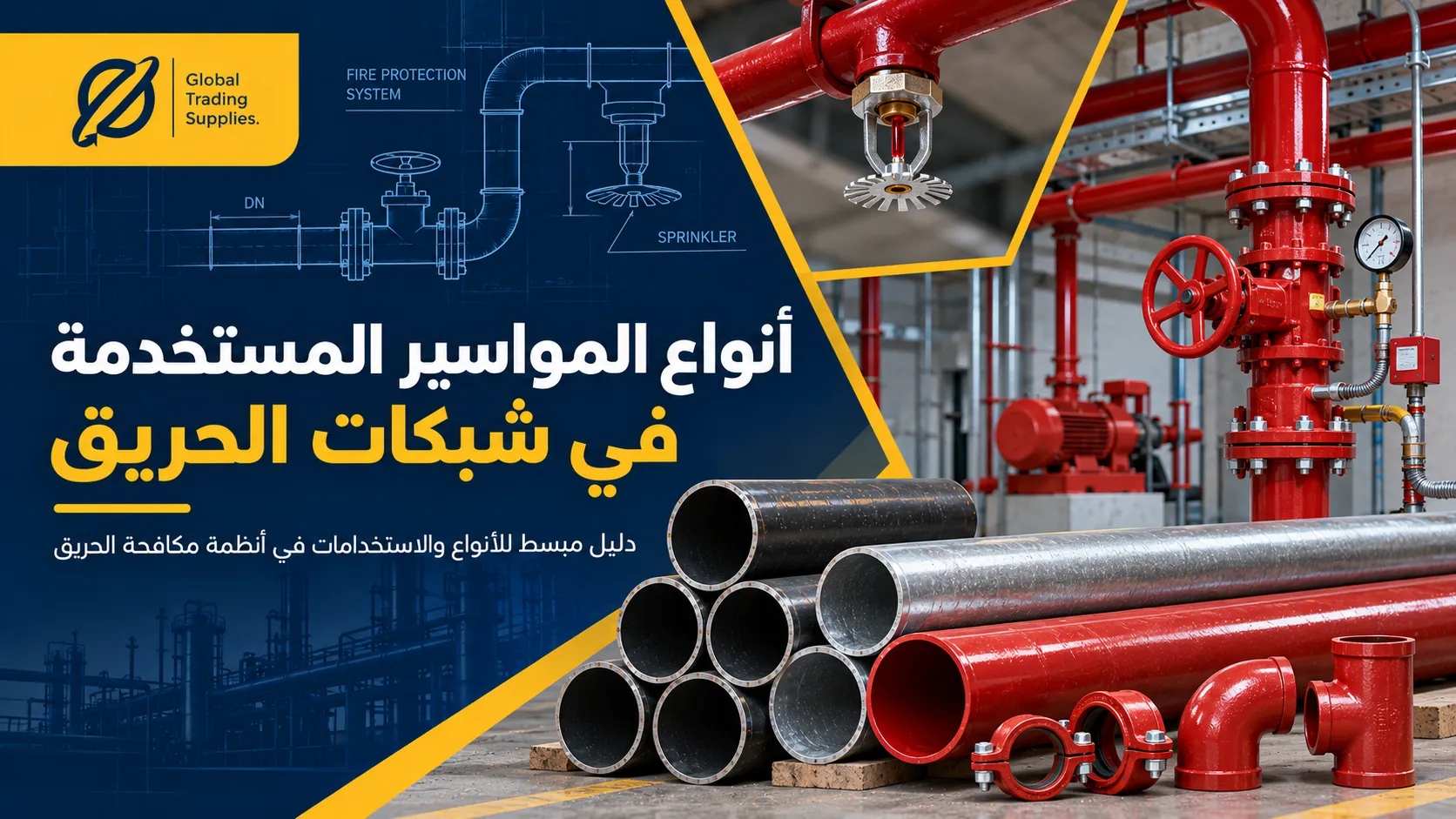
Types of Pipes Used in Fire Protection Systems
Fire protection systems may use metallic and nonmetallic piping. Each type must be permitted by the applicable code and the approved drawings and specifications. The following pipe types may appear in project requirements:
1. Steel Pipes
Steel pipes are used in several parts of fire protection systems. This term covers products that differ in manufacturing method, wall thickness, and specification, so a purchase item requires a more precise description than the pipe name alone.
Review the material grade, nominal size, wall-thickness schedule, and end preparation method, together with the documents demonstrating that the product meets the project’s stated requirements.
Checking these details also helps distinguish pipes intended for fire protection systems from steel hollow sections used for structural purposes, preventing approval of an unsuitable product simply because its appearance or diameter is similar.
2. Galvanized Steel Pipes
Galvanized steel pipes have a zinc coating on their surfaces. Their use in a fire protection system depends on the system type, installation environment, and approved project specifications.
The bill of quantities should specify the pipe standard, galvanizing method, size, and wall thickness. Requirements for the fittings and flanges connected to the pipe must also be reviewed, because surface finish describes only part of the product and does not define all its properties.
Compatibility with the network and its connected components must be verified without assuming that galvanizing is required or suitable for every installation location.
3. Carbon Steel Pipes
Carbon steel pipes are used in fire protection projects in accordance with the approved piping specifications. They are available as seamless or welded products, and the choice depends on the project item, material grade, nominal size, and wall thickness.
Seamless carbon steel pipes are among the products offered by GTS for engineering projects. When ordering them for a fire protection system, specify the applicable standard, grade, country of origin, wall-thickness schedule, quantities, and required documents.
Confirm that the product is suitable and has the necessary approvals whenever a particular approval is required. The material name or manufacturing method alone does not establish compliance with every system requirement.
4. Plastic Pipes
Certain plastic pipes designed and approved for fire protection are used in specific applications. The conditions of use depend on the material, particular product, installation location, and system type.
Plastic sprinkler piping, such as CPVC products specifically intended for this purpose, requires verification of the product approval, manufacturer instructions, permitted applications, and applicable code. Requirements for covering, protection, and approved connections must also be followed.
Not all plastic pipes can be treated as suitable for fire protection. Similar materials or trade names do not mean that a particular product meets the application’s requirements.
5. Ductile Iron Pipes
Ductile iron pipes are used in certain supply mains and external or buried fire protection lines where the project specifications and applicable code permit them.
Joint types, external protection, and lining are selected according to the line’s requirements. The pressure ratings of pipes and fittings, operating pressure, and associated components must also be checked before ordering.
Benefits of HDPE Pipes in Fire Protection Systems
High-density polyethylene (HDPE) pipes are used in certain buried external fire protection lines when the project specifications and applicable code permit the product and its installation method. Acceptance varies by line location, product, and the requirements of the supervising authority.
The material’s flexibility and corrosion resistance can meet the needs of certain projects. Joints are made using specified fusion methods that require suitable equipment, qualified technicians, and approved inspection procedures.
The review must identify the material grade, pressure rating, dimensions, and special fittings. Permission to use HDPE in a buried line does not automatically allow it to replace pipes specified for exposed lines or indoor sprinklers.
When comparing fire protection pipe types, consider the role of each section of the network. The material must match the installation location and project requirements before a supply quotation is approved.
To compare different materials and their applications, see our guide to types of fire protection pipes.
Fire Protection Pipe Specifications
Reviewing pipe specifications starts with the project item and approved drawings, followed by checking the product data and documents submitted by the supplier. Engineers and procurement teams should examine the following:
1. Product Standard and Material Grade
A product standard sets manufacturing and inspection requirements, while a material grade identifies particular properties within that standard. Depending on the approved design and permitted product, fire protection piping requirements may reference standards such as ASTM A53 or ASTM A795.
Use the edition and standard specified for the project. Do not assume that two products with similar names meet all the same requirements.
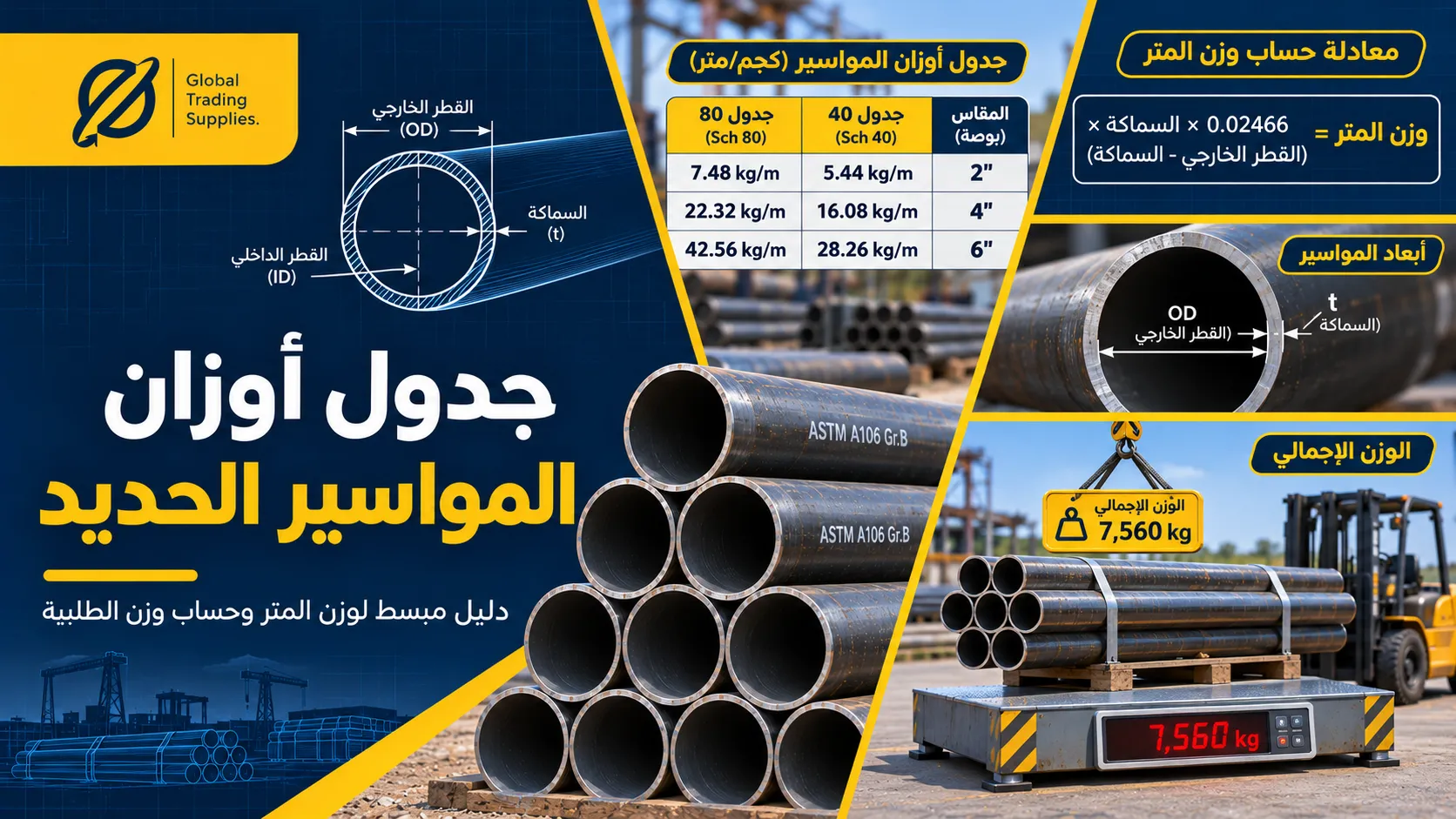
2. Pipe Size and Wall Thickness
Nominal size and wall thickness, or the schedule number, are specified in the drawings and material list. These details affect the connection method and required end preparation.
Check each diameter separately because the wall thickness corresponding to a given schedule varies with size. Any proposed substitute must also be reviewed before approval.
To understand how wall thicknesses differ and affect pipe selection, read about the difference between Schedule 40 and Schedule 80 pipes.
3. Manufacturing Method and Surface Finish
Some projects specify seamless or welded pipes and may require a particular finish or external coating depending on the installation environment. The complete product description must therefore appear in the supply request.
Surface condition is checked upon receipt, while storage requirements and end protection should be reviewed before the pipes are transported to the installation site.
4. Mill Test Certificates and Technical Documents
A mill test certificate helps verify the material, standard, and test results associated with the product. Its details should be matched against the identification markings and delivered items.
Supply documentation should also confirm origin, dimensions, and quantity, together with any additional certificates or reports required by the owner or consultant.
5. Required Product Approvals
Some projects or codes require products to be listed or approved by specific bodies, such as UL or FM. Verify the certificate’s scope and validity, as well as the covered product, manufacturer, size, and intended application.
A mill test certificate does not automatically replace a required product approval. Likewise, approval of a manufacturer or brand does not establish that all its products and sizes are covered by the same approval.
How to Choose Fire Protection Pipes
Choosing pipes for a fire protection system means reviewing the function and operating conditions of each line, then comparing products allowed by the project specifications. The following considerations help determine the requirements:
1. Location Within the System
Exposed piping inside a building differs from buried external lines. Requirements also vary for sections connected to pumps, sprinklers, or fire hose cabinets.
The drawings and applicable code identify where particular materials are permitted. Verify the intended location before proposing an alternative.
To understand the role of each system component, see our guide to fire protection system components.
2. Operating Pressure and Temperature
The selected product must meet the design requirements and operating conditions of the network. Pressure ratings of associated fittings, flanges, and valves must also be reviewed.
The allowable operating pressure comes from the product data, design, and applicable standard. It cannot be determined from the wall-thickness schedule number alone.
For the technical criteria used to select suitable pipes, consult our guide to choosing pipes based on operating pressure.
3. Installation Environment and Required Protection
Moisture, soil conditions, and the surrounding environment affect pipe protection requirements. Coatings, linings, or other protective systems are selected according to the design.
Manufacturer instructions and approved specifications must be followed to ensure that the protection system is compatible with the pipe and joint installation method.
4. Compatibility of Pipes and Fittings
Pipes, fittings, and flanges must be compatible in size, material, connection method, and required rating. Any approval requirements for individual components must also be checked.
A detailed bill of materials links each component to its intended line and reduces the risk of ordering items with the same nominal size but different specifications.
How to Determine Fire Protection Pipe Diameters
Fire protection pipe diameters are determined by a qualified designer using system requirements, hydraulic calculations, and the applicable code. The calculations consider flow rates, required pressure, friction losses, pipe lengths, and elevation differences.
Diameters vary between main supply lines, branches, and connections according to the design. No single size should be adopted for every section of the network or every building.
Once the design is approved, the procurement team must accurately transfer the pipe sizes, wall-thickness schedules, and quantities into the purchase request, identifying the required lengths, end preparations, and documents for each item.
Comparing the bill of materials with the drawings helps verify sizes before purchase, especially where a project includes multiple wall-thickness schedules or joint types.
Fire Protection Pipe Connections
Connection methods for fire protection pipes depend on the pipe material, wall thickness, fitting rating, applicable code, and approved specifications. The main methods include:
1. Welded Connections
Welded fittings connect sections of the line, change its direction, or create branches. They include elbows, tees, reducers, and other fittings specified in the drawings.
Review the fitting material, dimensions, wall thickness, and end preparation. Welding and inspection work must also follow the project’s procedures and be carried out by qualified personnel.
To verify the integrity of the system after installation, learn about pipe pressure testing and its inspection requirements.
2. Threaded Connections
Threaded fittings are used in applications allowed by the system specifications. They may include elbows, tees, couplings, and other components needed to assemble the line.
Specify the thread type, size, fitting rating, and suitability for the pipe wall thickness and operating conditions, in accordance with the applicable code and product requirements.
3. Flanged Connections
Flanges are used where pipes connect to pumps, valves, and equipment. They allow an assembly to be dismantled for maintenance when permitted by the line design.
The bill of quantities should specify the flange type, size, material, pressure class, and facing, together with suitable gaskets and bolts for the assembly.
4. Grooved Connections
Some fire protection systems use grooved couplings to join specially prepared pipe ends with matching coupling components. Their acceptance and type depend on the project specifications and product instructions.
The groove preparation method, pipe wall thickness, and scope of the coupling’s approval must be reviewed before installation to ensure compatibility between the joint components and the specified product.
Supply of Seamless Pipes and Fittings for Fire Protection Systems from GTS
Preparing a fire protection system requires a supplier able to review bill-of-quantities items and provide the required product information. Global Trading Supplies (GTS) supplies seamless carbon steel pipes, fittings, and flanges for engineering and industrial projects in Egypt.
The company’s product range includes pipes of Ukrainian, Russian, and Chinese origin, together with threaded fittings, high-pressure fittings, seamless butt-weld fittings, and flanges. You can submit a bill of materials to ask about available items and technical documentation.
Including the following information helps the supplier review project requirements and prepare a suitable quotation:
- Required pipe sizes, wall-thickness schedules, lengths, and quantities.
- Pipe standard, material grade, and specified country of origin.
- Types, dimensions, and specifications of fittings and flanges.
- Mill certificates and product approvals required for the items.
- Delivery location and target delivery date.
Each product’s suitability for a fire protection system and any required approvals must be checked against its documents and the project specifications before supply is approved.
Conclusion
Selecting the types of pipes used in fire protection systems requires reviewing the system type, the location and specifications of each line, and then verifying pipe sizes, wall thicknesses, connections, and technical documentation before approving the purchase.
Accurate bill-of-quantities data makes supplier quotations easier to compare and gives engineers, contractors, and procurement staff a sound basis for reviewing required products and completing project requirements.
Frequently Asked Questions
What Types of Pipes Are Used in Fire Protection Systems?
These include carbon steel pipes, both seamless and welded, and galvanized steel pipes, as well as other products such as ductile iron and certain plastic pipes designed for specific applications. Acceptance of each type depends on the applicable code and project specifications.
Are Seamless Pipes Used in Fire Protection Systems?
Seamless carbon steel pipes are used in certain fire protection projects where the specifications allow them. Material grade, pipe size, wall thickness, documentation, and required product approvals must be reviewed.
What Is the Difference Between Schedule 10 and Schedule 40 Fire Protection Pipes?
The numbers refer to two different wall-thickness series, with the actual thickness depending on pipe size. Suitability and permitted connection methods depend on each product’s specification, rating, approval, and project requirements.
Are HDPE Pipes Suitable for Fire Protection Systems?
Certain HDPE products may be used in buried external lines where permitted by the applicable code and project specifications. The exact product, installation location, and rating must be checked before approval.
How Are Fire Protection Pipe Diameters Determined?
A qualified designer determines them using hydraulic calculations, required flow and pressure, friction losses, and the applicable code. The selected sizes are then recorded in the drawings and bill of materials.
What Documents Are Required When Supplying Fire Protection Pipes?
Requirements depend on the project and may include mill test certificates, origin details, the relevant standard, material grade, and dimensions, along with product- and size-specific approval certificates when required.